Polyphenols and Brain Health: A Plain-English Guide
Olive leaf, grape seed, bilberry and green tea all share one thing: polyphenols. Here is what that means.
Polyphenols are natural compounds made by plants. They help give berries their deep colour, tea its slight bitterness and olives their sharp taste. They are also among the most studied antioxidants in nutrition research.
What does "antioxidant" really mean?
Your body constantly produces reactive molecules as a by-product of normal metabolism. When these build up faster than your defences can handle them, scientists call it oxidative stress. Antioxidants are compounds that can help neutralise them.
Polyphenols in Neuro Serge's named ingredients
- Olive leaf is rich in oleuropein, the main polyphenol in olive leaves, which has been widely studied in the laboratory.
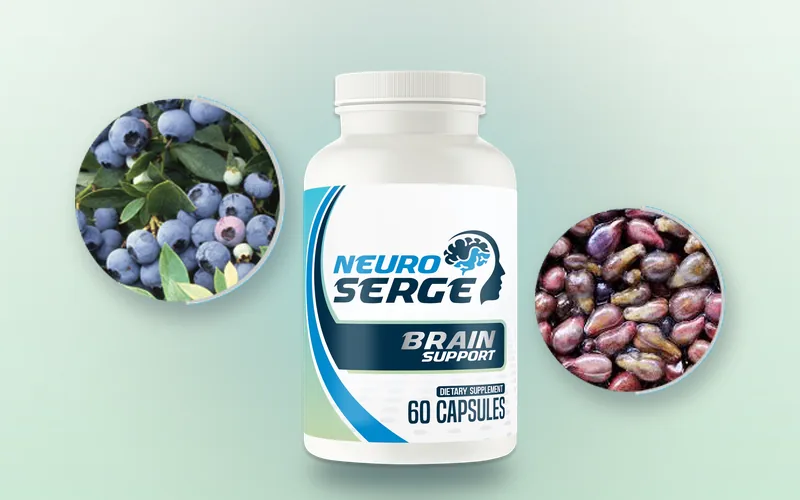
- Grape seed extract provides proanthocyanidins.
- Bilberry contains anthocyanins, the pigments behind its blue-purple colour.
- Green tea supplies catechins.
What the research does and does not show
Much of the exciting polyphenol research comes from laboratory and animal studies, and results there do not automatically carry over to people. The NIH's National Center for Complementary and Integrative Health notes, for example, that bilberry has not been clearly shown to help any specific condition, and that green tea research has not reached firm conclusions for most uses. Evidence on single ingredients also says nothing definite about a finished product's formula.
Food first, then support
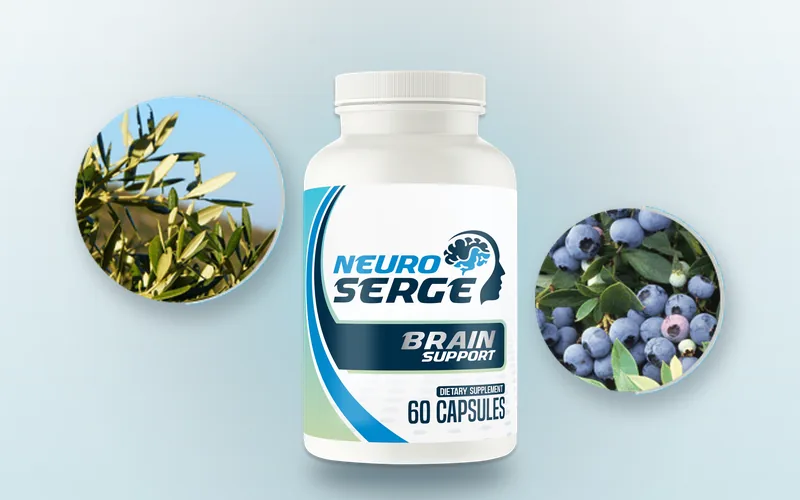
Berries, extra virgin olive oil, tea, cocoa, beans and colourful vegetables are all excellent sources. If you also want a convenient botanical supplement, Neuro Serge combines several polyphenol-rich plants in one capsule. Learn more on our Antioxidant Support page, and see the government sources in our references section.
This article is for general information only and is not medical advice.